RSO (Rick Simpson Oil) is one of the most searched terms in cannabinoid health — but the way it’s commonly described today isn’t how it started.
Over time, the story around RSO shifted from hemp to high-THC cannabis, and that shift has had real consequences for cost, accessibility, and tolerance.
This post explains the full history, why the narrative changed, and why hemp-based oil is still the most practical option for many people.
What RSO Originally Was
RSO stands for Rick Simpson Oil — the oil Rick Simpson was making and demonstrating in the early 2000s.
In the original documentary material (around 2003), the oil is described as being made from hemp.
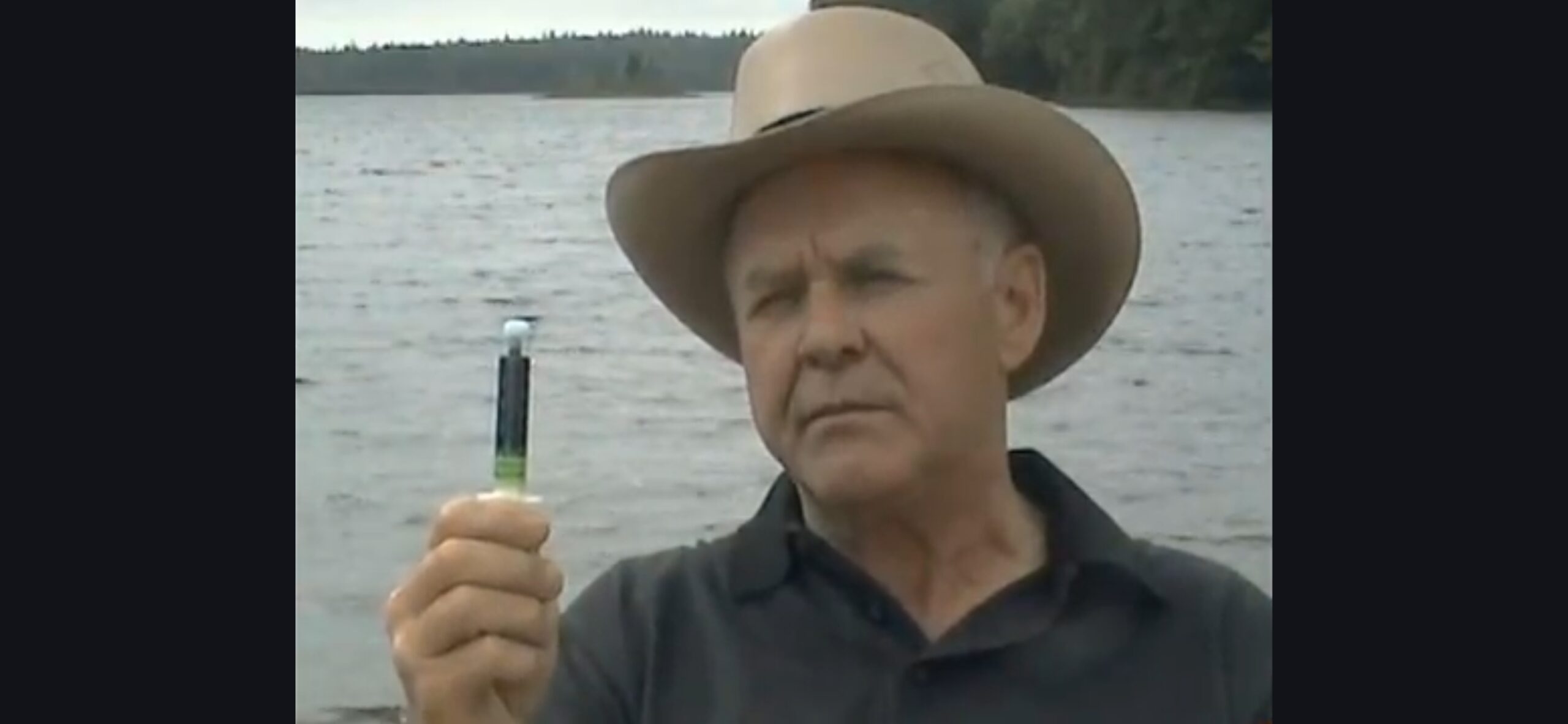
“I’m here to tell you about the most medicinal plant known to man — hemp.”
At that time:
- The oil was not framed as a high-THC cannabis product
- It was presented as a whole-plant hemp oil
- The process used was a traditional extraction method that had existed long before Rick Simpson
Rick Simpson did not invent the oil.
He helped popularise an existing approach.
Watch the Original Documentary
If you want to see the original material in full (instead of clips), here’s the early documentary version of Run From the Cure:
Watch “Run From the Cure” on YouTube
This is included for transparency so you can see the original context and decide for yourself.
When the Story Changed — and Why
Several years later, after Mechoulam, Manuel Guzmán, and others published research on THC and tumour response, the narrative around RSO began to change.
As awareness grew around THC’s potential effects on tumours, Rick Simpson’s public story shifted from hemp to cannabis.
From that point on:
- Later documentaries described RSO as cannabis-derived
- The name “RSO” stayed the same
- The extraction process stayed the same
- But the plant source in the story changed
This is where confusion started.
The shift wasn’t about the oil suddenly becoming different — it was about THC becoming the focus.
RSO vs FECO (What People Are Actually Talking About)
Today, what most people call “RSO” is more accurately described as FECO:
FECO (Full Extract Cannabis Oil)
- Made from cannabis
- Very high in THC
- Can be effective but overwhelming
- Expensive to produce and use long-term
- Difficult for many people to tolerate daily
Original RSO (Hemp-Based Oil)
- Made from industrial hemp
- Naturally contains CBD with trace THC
- Uses the same whole-plant philosophy
- Far more affordable
- Much easier for long-term, daily use
Both have a place.
But they are not the same, and they were never meant to be treated as interchangeable.
Understanding THC in Hemp (And Why the Ratios Matter)
One of the biggest misunderstandings around hemp is how much THC it actually delivers once it’s processed properly.
Most people are trained to look for the highest CBD percentage possible, but that way of thinking misses something important:
the higher the CBD, the further THC is diluted in the final product.
Traditional industrial hemp commonly sits around 1% CBD with legally low THC in the raw plant. When that whole plant is extracted properly, the resulting oil often ends up with a CBD to THC ratio of roughly 5:1.
That ratio matters.
CBD naturally moderates the psychological effects of THC. When THC is present alongside CBD in sensible proportions, the result is far more functional, tolerable, and usable day to day.
This is why hemp-based oils work so well for infusions, tinctures, and regular use. You get just enough THC to be effective, without the overwhelming or disorienting effects that many people struggle with.
Ironically, chasing very high CBD percentages often results in even lower THC in the final oil — widening the separation instead of balancing it.
By contrast, modern cannabis is often bred for THC dominance and frequently contains little to no CBD at all. That imbalance is what produces the intense, sometimes trippy high — something recreational users may seek, but many people actively want to avoid.
This isn’t a criticism of cannabis. It’s simply recognising that:
- Hemp naturally supports balanced ratios
- CBD tempers THC’s psychological effects
- Lower-intensity oils are often more sustainable long term
When you look at hemp properly — not through marketing numbers, but through ratios and outcomes — it becomes clear why it has always played a central role in traditional oils.
Why This Matters for Real People
The shift from hemp to cannabis has led many people to believe:
- They need very high THC
- They need expensive cannabis oil
- They must tolerate heavy psychological effects
As a result, many people:
- Can’t afford long-term use
- Stop early due to side effects
- Or never try anything at all
Hemp-based oil was always part of the original picture — and for many people, it’s the only sustainable option.
The Real-Life Cost of Getting This Wrong
This isn’t just a debate about names, strains, or internet arguments. It affects real people in the real world.
When RSO gets framed as “high-THC cannabis only”, the unspoken message is:
- You need the strongest possible product
- You need to tolerate heavy effects
- You need to spend serious money long term
For many sick people, that isn’t a plan — it’s a barrier.
People end up priced out. Or they try it, get overwhelmed, and stop. Or they never start at all because they don’t want to feel intoxicated just to pursue support.
That’s the genuinely sad part: knowledge that was once practical and affordable has been pushed into a version that many people simply can’t access.
Medicine should be affordable. Support should be sustainable. And no one should be made to feel that the only “serious” option is the most expensive and most intense one.
Hemp-based whole-plant oil matters because it keeps the door open for people who need something they can actually live with — financially and physically — day after day.
How Mediweed’s Cannabinoidiol Fits In
Mediweed’s Cannabinoidiol follows the original RSO approach, not the later cannabis-only narrative.
It is:
- Hemp-derived
- Whole-plant
- Full-spectrum
- Designed for regular, sustainable use
Functionally, it aligns far more closely with early RSO than with modern high-THC FECO.
We’re not anti-cannabis.
We’re pro-choice, pro-access, and pro-truth.
Why Mediweed Uses Hemp (And Always Has)
At Mediweed, our approach didn’t come from trends or marketing — it came from what actually works long-term.
Before it was called Cannabinoidiol, this oil was known as EntourageCBD because that’s exactly what it is: a whole-plant hemp oil designed to deliver the entourage effect without relying on extreme THC levels.
Functionally, this is the same category of oil people originally recognised as RSO — before the story narrowed to cannabis alone.
That’s also why Mediweed has always worked with raw hemp at scale.
Why We Sell Hemp Tea by the Kilo
People sometimes ask why we sell hemp tea by the kilo, rather than in tiny retail packets.
The answer is simple: this was never meant to be boutique or exclusive.
Hemp was historically used:
- Daily
- In volume
- As a food, infusion, and whole-plant preparation
If you understand original RSO properly, selling hemp in meaningful quantities makes perfect sense. Whole-plant use was always part of the picture — not concentrates alone.
Hemp tea, infusions, and oils all come from the same philosophy:
- Consistency over intensity
- Accessibility over exclusivity
- Long-term use over short-term impact
Frequently Asked Questions
Is Cannabinoidiol the same as RSO?
Cannabinoidiol follows the original hemp-based RSO approach, using whole-plant industrial hemp rather than modern high-THC cannabis extracts.
Is RSO always made from cannabis?
No. In early documentary material, RSO was described as being made from industrial hemp. The cannabis-only narrative came later.
What is the difference between RSO and FECO?
FECO is full extract cannabis oil and is typically very high in THC. Original RSO referred to a hemp-based whole-plant oil that is easier to tolerate and more affordable.
Does hemp oil contain THC?
Yes, but only in small amounts. When processed properly, hemp oil naturally delivers balanced CBD to THC ratios that are more suitable for regular use.
Why is hemp oil more affordable than cannabis oil?
Industrial hemp can be grown and processed at scale, making whole-plant hemp oils far cheaper to produce and use long-term.
If You’re Searching for RSO
If you found this page searching for RSO, here’s the key takeaway:
RSO was not always a high-THC cannabis oil.
Hemp was part of the original story — and for many people, it still makes the most sense.
Understanding that distinction can save people money, discomfort, and unnecessary confusion.
Final Word
This isn’t about rewriting history.
It’s about completing it.
The oil didn’t change.
The story did.
And when stories change, people deserve to know why.

Important clarification, starting with the source material.
In the original Run From the Cure documentary, Rick Simpson repeatedly and explicitly refers to hemp and hemp oil. He opens by calling hemp “the most medicinal plant known to man”, talks about hemp medicines being widely used historically, and describes the oil used by the people in the film as hemp oil. This isn’t interpretation, it’s his own language, on camera, throughout the original documentary.
Later on, after research into THC and tumours gained attention (notably work by Guzmán and others), Rick’s message shifted toward high-THC cannabis. From that point onward, the narrative became cannabis focused.
What’s important, and what often gets quietly skipped is that the people who improved in the original documentary did so during the hemp phase of the story. Those outcomes didn’t vanish just because the messaging later changed. The documentary captured a moment in time when the emphasis was on whole-plant hemp oil, affordability, and accessibility for ordinary people.
Over the years, many in the cannabis space have selectively referenced Rick’s story to justify selling expensive, high-THC oils, while removing the part of the message that made it workable for so many: hemp, simplicity, and cost.
This isn’t anti-cannabis. It’s about accuracy and context. The original documentary is linked so people can hear Rick’s own words and decide for themselves, not rely on rewritten versions of the story that conveniently align with modern product sales.
A link to the original Phoenix Tears website as it was in the early 2000’s
https://share.google/j1ZVHR559f1zh5spG