Important disclaimer:
It does not provide medical advice, recommend treatment, or establish causation.
Any medical imaging shown is presented for reference and discussion only, without interpretation or diagnostic claims.
Individuals should always consult qualified medical professionals regarding health decisions.
Why This Article Exists
People facing serious illness are often presented with rigid narratives: increase potency, increase dosage, keep escalating.
When that approach becomes intolerable or unhelpful, individuals can be left without realistic alternatives — not because
options don’t exist, but because nuance is removed from the conversation.
This article is shared to document one such experience. It is not presented as proof of anything.
It highlights tolerance, function, balance, and affordability — the real-world factors that decide whether something is livable long-term.
The Context (As Reported)
The individual involved reported prolonged daily use of very high-dose THC for an extended period of time.
According to her account, the psychoactive burden became increasingly difficult to tolerate and interfered with day-to-day function.
Despite persistence, she reported no meaningful change and felt unable to live normally while maintaining the same approach.
No assumption is made here about efficacy or failure — only that, for her, it was not sustainable.
A Shift Toward Balance
A discussion took place around balance rather than escalation.
The suggestion was not to eliminate THC, nor to chase a specific outcome,
but to reduce intensity and regain control.
This involved lowering the reported THC intake and introducing a hemp-derived whole-plant oil alongside it,
with the stated goal of improving tolerability and restoring day-to-day functioning.
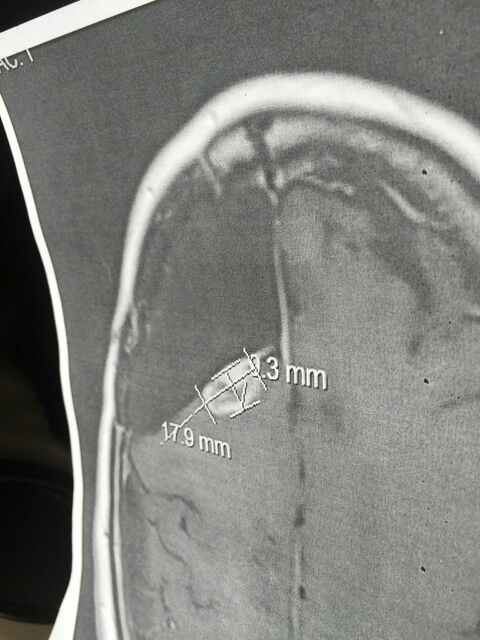
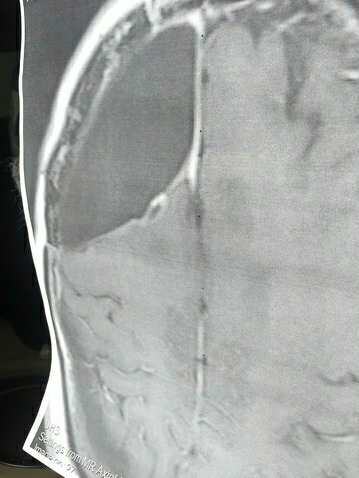
Medical Imaging Shared for Context
Medical imaging alone does not establish causation, treatment effect, or clinical outcome.
Final Thought
When people are suffering, they deserve information — not pressure.
They deserve nuance — not dogma.
And they deserve options that allow them to live, not just endure.
